


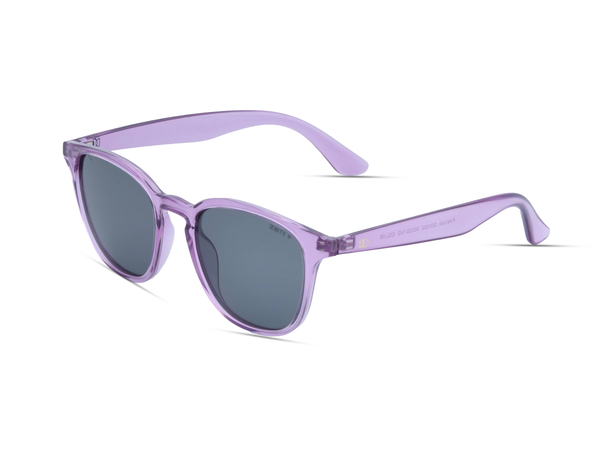
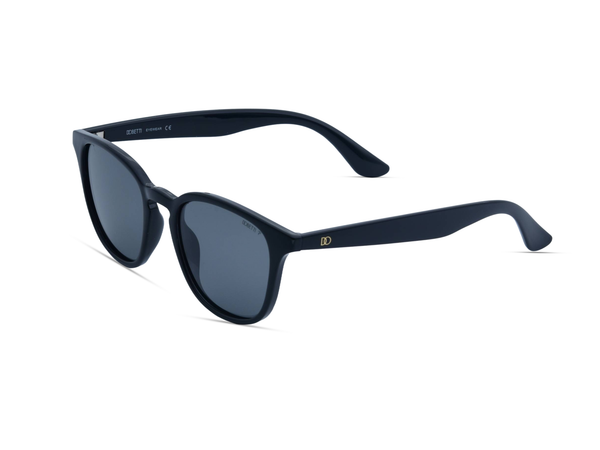


Driving in India demands more from your eyes than almost any other activity. XFORD premium sunglasses are built specifically for Indian road conditions, from glare-heavy highway stretches to stop-and-go city traffic.
Why Driving in India Needs the Right Sunglasses
The Indian sun between 10 am and 4 pm creates direct glare at windscreen level that can temporarily blind a driver. Reflections off wet roads and vehicle bonnets add horizontal glare on top. Long highway drives expose your eyes to sustained UV radiation, leading to eye fatigue and, over time, increased risk of cataracts. The right pair of polarized sunglasses eliminates these problems before they affect your safety.
Polarized Sunglasses for Driving: Why They Matter
XFORD polarized sunglasses use a chemical filter to block horizontally reflected light, the exact type of glare that bounces off wet roads and car bonnets. Non-polarized lenses only darken the overall scene; they do not cut road glare. For driving in India, polarized sunglasses are strongly recommended, especially for highway driving, during the monsoon season, and for morning or evening commutes when the sun is low in the sky.
Quick answer: Polarized sunglasses are better than non-polarized for driving because they selectively block road glare rather than simply reducing brightness.
Best Lens Colours for Driving
-
Grey polarized lenses are the best all-purpose driving lenses. They preserve true colour rendering, which means traffic signals and road markings appear exactly as they are. Grey XFORD polarized sunglasses are ideal for daily driving in all lighting conditions.
-
Brown and amber polarized lenses enhance contrast and sharpen edges. They perform exceptionally well on cloudy days and during dawn or dusk driving when light is flat and low.
-
Yellow or light amber lenses work well in fog and heavily overcast conditions, but are too light for full sunlight driving.
-
Rose, pink, or heavily mirrored lenses are not suitable for driving. They distort colour perception, which can make traffic signal reading unreliable.
Night Driving: What Works
Yellow-tinted night driving glasses reduce some oncoming headlight glare by filtering blue wavelengths from LED and HID headlights. They work best in urban conditions with frequent oncoming traffic. The effect is genuine but modest.
Standard dark sunglasses must never be worn at night while driving. They significantly reduce total vision, slow reaction time, and make pedestrians and road obstacles much harder to see. Only glasses specifically designed and labelled for night driving should be used after dark.
Quick answer: Night driving glasses with yellow tints reduce headlight glare modestly. Regular sunglasses at night are dangerous and should never be worn while driving.
Frame Features That Matter for Driving
Wrap-around or wide-coverage frames reduce peripheral glare entering from the sides. Lightweight frames in TR-90 or metal prevent fatigue during 1–4 hour drives. Rubber nose pads ensure the frame does not slip when you tilt your head. Every pair of XFORD premium sunglasses is UV400 certified — essential for the sustained UV exposure that comes with highway driving.
Quick answer: The must-have features in driving sunglasses are UV400 certification, polarized lenses, a secure non-slip fit, and wide frame coverage.
What to Avoid While Driving
Very dark Category 4 lenses are dangerous when driving through tunnels or transitioning from sunlight into shade. Fashion lenses in rose, purple, or strong mirror finishes distort colour perception. Loose frames that shift when turning your head are a safety risk. Regular sunglasses should never be worn at night.
Shop XFORD Polarized Sunglasses for Driving
Lightweight frames. UV400 certified. Free shipping across India.

