


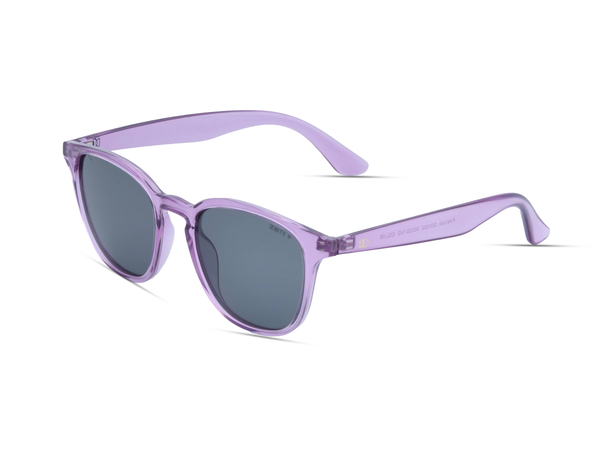
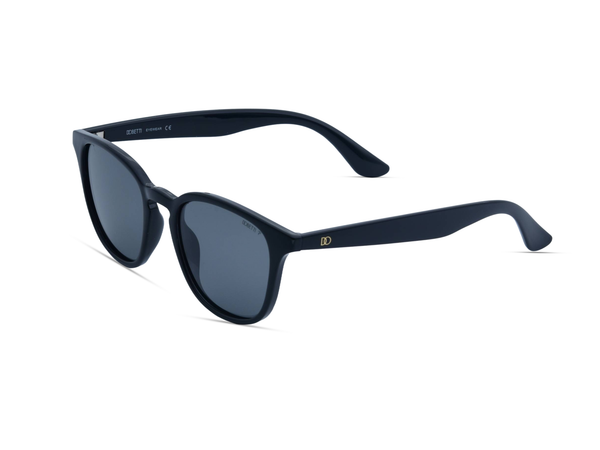


Choosing the right eyewear is not only about style; the correct frame size also affects comfort, appearance, and everyday wearability. Whether you are buying sunglasses or eyeglasses online, understanding frame measurements can help you choose a pair that fits properly and looks balanced on your face.
Most eyewear comes with small numbers printed inside the temple arm, but many people do not know what they actually mean. This guide explains eyewear sizing simply and easily so you can confidently choose the right frame for your face.
What Do the Numbers on Glasses Mean?
Almost every pair of glasses or sunglasses has three numbers printed on the inside of the temple arm.
Example:
54 – 18 – 143
These numbers represent:
- 54 = Lens Width
- 18 = Bridge Width
- 143 = Temple Length
All measurements are written in millimetres (mm).
Understanding these measurements makes online eyewear shopping easier and helps you choose frames that fit comfortably.
1. Lens Width
Lens width is the horizontal width of one lens.
This is usually the most important measurement because it affects how the frame appears on your face.
- Smaller widths suit narrow faces
- Medium sizes fit most face shapes
- Larger widths create a bold or oversized look
For most adults, eyewear between 50mm and 58mm offers a comfortable and proportionate fit.
2. Bridge Width
Bridge width is the distance between the two lenses over the nose.
This measurement mainly affects comfort.
- A narrow bridge may feel tight
- A wider bridge may cause the frame to slide down
Most people feel comfortable within the 16mm–20mm range.
3. Temple Length
Temple length refers to the arms of the glasses that extend behind your ears.
- Short temples may feel tight
- Longer temples may feel loose or unstable
Most eyewear temple lengths range between 135mm and 150mm.
Why the Right Frame Size Matters
Choosing the correct frame size improves:
- Daily comfort
- Face balance and appearance
- Better grip and stability
- Reduced slipping and pressure points
Frames that are too large or too small can become uncomfortable after long hours of use.
That is why understanding measurements before buying eyewear online is important.
How to Measure Your Face at Home
You can estimate your ideal eyewear size easily at home.
- Measure Your Face Width
Use a ruler or measuring tape across the widest part of your face, usually near the cheekbones.
- Compare With Existing Glasses
If you already own comfortable sunglasses or eyeglasses, check the numbers inside the temple arm. Similar measurements will usually provide a familiar fit.
- Understand Your Style Preference
Some people prefer oversized sunglasses, while others prefer compact everyday frames. Your comfort and style preferences both matter while choosing eyewear.
General Eyewear Size Guide
| Lens Width | Face Size | Best For |
|---|---|---|
| 48–50 mm | Small | Narrow or petite faces |
| 51–54 mm | Medium | Most face shapes |
| 55–58 mm | Medium-Large | Wider face shapes |
| 59–62 mm | Large/Oversized | Bold fashion styles |
Signs Your Glasses Do Not Fit Properly
Frames May Be Too Small If:
- They press against your temples
- The bridge feels tight
- Your eyes do not align comfortably within the lenses
Frames May Be Too Large If:
- They constantly slide down
- The lenses touch your cheeks
- The frame feels loose while moving
A properly fitted frame should feel secure without creating pressure.
Can Eyewear Frames Be Adjusted?
Yes, most eyewear frames can be adjusted slightly by an optician.
Common adjustments include:
- Tightening hinges
- Adjusting nose pads
- Slightly bending temple arms
However, lens width cannot be changed, which is why choosing the correct size initially is important.
Tips for Buying Eyewear Online
Before purchasing eyewear online:
- Check frame measurements carefully
- Compare sizes with your current glasses
- Read the product details properly
- Choose frames according to your face shape and comfort preference
Understanding frame size helps reduce fitting issues and improves the overall shopping experience.
Final Thoughts
Finding the right eyewear frame size becomes much easier once you understand basic measurements like lens width, bridge width, and temple length.
The right fit improves comfort, enhances appearance, and helps you wear your eyewear confidently every day. Whether you prefer classic styles, oversized sunglasses, or modern everyday frames, selecting the correct size always makes a difference.
Explore stylish and comfortable eyewear collections from Xford Eyewear and choose frames designed for both fashion and everyday comfort.
Frequently Asked Questions (FAQs)
1. How do I know my eyewear frame size?
You can check the inside of your current glasses or sunglasses. Most frames have three numbers printed on the temple arm that indicate lens width, bridge width, and temple length.
2. Which frame size is best for most adults?
For most adults, lens widths between 50mm and 58mm are considered comfortable for daily wear.
3. Why do my glasses slide down my nose?
This usually happens when the bridge width is too wide or the frame fit is loose. Minor adjustments by an optician can often improve the fit.
4. Can eyewear frames be adjusted after purchase?
Yes, opticians can adjust nose pads, tighten hinges, and slightly bend temple arms for better comfort and stability.
5. What happens if my glasses are too small?
Small frames may create pressure around the temples, feel tight near the nose, and appear disproportionate on the face.
6. Is it safe to buy eyewear online?
Yes, buying eyewear online becomes much easier when you understand frame measurements and compare them with your current glasses.

