


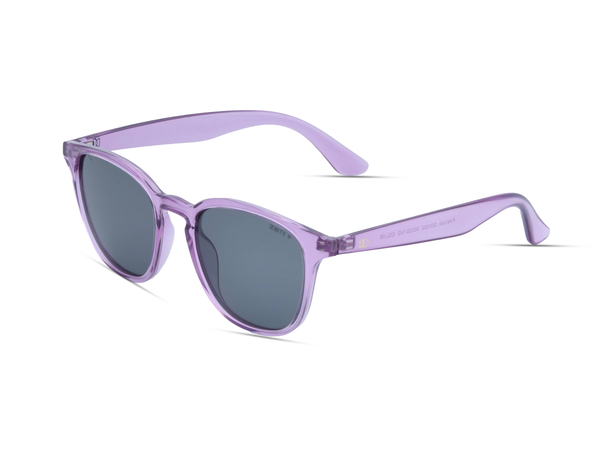
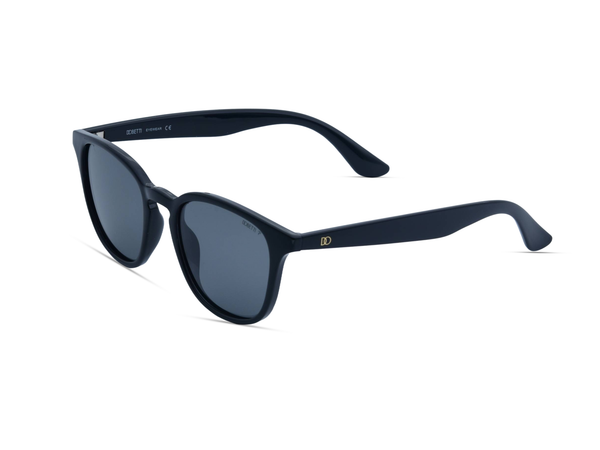


When shopping for sunglasses, many buyers instinctively contrast emerging premium players with established global luxury fashion houses. Yet the critical question for the discerning consumer isn’t whether a brand commands the highest price tag; it is whether it achieves the optimal convergence of optical protection, frame durability, ergonomic comfort, and architectural style.
For Indian consumers seeking premium aesthetics without the inflated markups typical of heritage labels, Xford Eyewear positions itself as a disruptive alternative. By executing a direct-to-consumer philosophy focused heavily on trend-accurate silhouettes, comprehensive UV shields, and precision polarization, the brand aims to
deliver structural everyday performance tailored directly to modern lifestyle demands.
WHAT DEFINES A PREMIUM SUNGLASS?
True premium eyewear is distinguished by explicit technical criteria and structural composition, far removed from simple brand logos or corporate branding. Eye health professionals and engineering standards dictate several key benchmarks:
Lens Quality & Optical Clarity: Freedom from spatial distortion across the entire lens radius, eliminating the microscopic focal irregularities that trigger eye strain, squinting, and tension headaches during extended exposure.
Polarization Engineering: Integration of specialized chemical split-filters capable of blocking blinding horizontal reflections. This cuts harsh glare emanating from highways, vehicle windshields, glass high-rises, and water surfaces.
Frame Durability & Materials: Moving away from brittle recycled plastics to utilize advanced polymers such as Swiss-engineered TR90 thermoplastics or richly layered cellulose acetate, ensuring elasticity, structural memory, and thermal resistance.
Ergonomics & Face-Mapping: Precision weight distribution across the nasal bridge and the temporal bones, eliminating painful pressure spots or persistent slipping during high-humidity cycles.
"Eye-care professionals globally emphasize that optical safety relies entirely on verified
technical block-ratings rather than prestige retail pricing. A dark lens devoid of certified UV-filtering is fundamentally hazardous."
WHERE XFORD EYEWEAR STANDS
Xford Eyewear addresses these high-performance criteria directly by engineering sunglasses across multiple iconic frameworks, including timeless Aviators, Navigators, sharp architectural Squares, sweeping Cat-Eyes, geometric frames, and streamlined athletic Wraps.
Instead of offering standard fashion lenses, the brand integrates certified UV400 eye protection as a baseline across its entire portfolio. This optical metric guarantees a complete block against all electromagnetic radiation waves stretching up to a wavelength of λ = 400 nanometers, fully encompassing both damaging Ultraviolet-A
(UVA) and Ultraviolet-B (UVB) atmospheric radiation rays.
Core Technical Profiles Highlighted by the Brand:
- Full Spectrum Defense: Verified UV400 lenses safeguarding corneal health from irreversible sun-induced stress.
- Advanced Polarized Options: Select models engineered explicitly to minimize glare, increasing clarity during rapid highway driving or daytime travel.
- Resilient Build Architectures: Frames designed with impact-resistance and flexible structural hinges to survive daily drops and constant wear.
- Consumer Assurance Metrics: Backed by a definitive 1-year manufacturing defect warranty along with local free shipping and streamlined return paths within India.
QUALITY VS PRICE: THE VALUE PERSPECTIVE
Traditional luxury eyewear groups typically build extreme price multipliers into their retail models. These prices are rarely a pure reflection of material costs; instead, they fund massive global marketing campaigns, licensing fees for designer names, and multi-layered wholesale supply lines.
Xford Eyewear bypasses this legacy structure entirely. By optimizing engineering templates and delivering directly to consumers, the brand matches premium-tier stylistic demands while keeping production investments centered inside the physical product itself.
The Everyday High-Utility Case
For individuals who require reliable daily visual defense, Xford delivers heavy utility. The polarized variants prove exceptional at cutting through afternoon roadway glare, while the ultra-light frame configurations prevent slipping during active commutes or humid outdoor conditions.
The Fashion-Forward Portfolio
For trend-conscious style seekers, the collections map flawlessly to luxury visuals. From classic mid-century Wayfarer silhouettes to modern architectural geometric designs, the brand satisfies high-fashion requirements without demanding luxury capital.
WHO SHOULD CONSIDER XFORD EYEWEAR?
Xford serves as an optimal solution for several specific consumer cohorts: working professionals requiring clean, sharp executive aesthetics for daily client travel; frequent drivers and weekend road-trippers who actively need polarized glare elimination; and cost-conscious fashion enthusiasts seeking the physical weight, look, and finish of contemporary premium frames without designer inflation.
FREQUENTLY ASKED QUESTIONS
Is Xford Eyewear a premium brand?
Yes. Xford operates in the premium lifestyle tier, prioritizing advanced raw material choices, certified UV lenses, and high manufacturing tolerances while retaining accessible consumer pricing.
Are Xford sunglasses polarized?
Many flagship models feature polarized UV400 lenses engineered to minimize glare. Because select specialized fashion tints use standard UV protection, consumers are advised to check the explicit specifications on the individual product label prior to purchase.
Does Xford Eyewear provide UV protection?
Yes. Every single sunglass variant in the Xford collection features certified UV400 protection, blocking 100% of invisible, hazardous solar radiation.
What does the Xford warranty cover?
The brand includes a reliable 1-year product warranty covering structural manufacturing flaws, faulty joints, and premature lens delamination issues.

